De Florez Competition Winners Split $18K in Prize Money
With an impressive array of some of the best gadget and product developments Mechanical Engineering students have to offer, this year’s de Florez Competition made good on its namesake as always.
Luis de Florez earned a BS in mechanical engineering from MIT in 1911. He was a renowned designer during his time at MIT, going on to design flight simulators during World War II that had a significant impact on the Navy’s aviation success. He was awarded the Legion of Merit in 1945.
The de Florez competition considers four categories: Undergraduate Engineering Design, Undergraduate Engineering Science, Graduate Engineering Design, and Graduate Engineering Science. The four groups of competitors do their best to “sell” the gizmos and products they’ve designed to a team of judges, who look at each entries’ level of creativity, innovation, practical application, scientific basis, and design skill. The purpose of the competition is to give students a chance to strut their skills and gain schoolwide recognition for their ideas and prototypes.
This year’s competition pitted 38 applicants against each other to compete for a total of $18,000 in prize money, to be awarded several different ways and in various amounts, depending on the judges’ decisions. Some entries were submitted for the work a MechE individual contributed to a larger team project, and in these cases, the individual was judged on their part alone. The judges were so impressed by all the entries that they awarded $100 to everyone who did not place.
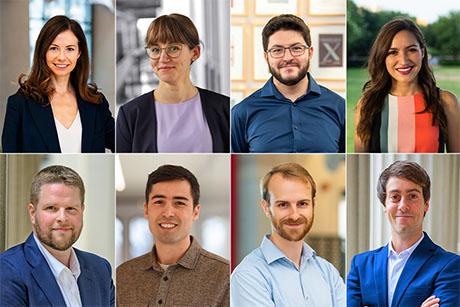
This year’s winners in the category of Graduate Design were: In first place, Novel Puncture Access Mechanism, by Nikolai Begg; in second place, The Impurity-to-Efficiency Simulator, by Doug Powell and Dave Fenning (joint entry); in third place, Multi-Stage Bubble Column for Dehumidification, by Prakash Govindan and Steven Lam (joint entry); in fourth place, Hardware for Computer-Augmented Hand-Held Router, by Illan Moyer; and tied for fifth place, Condensation Facility for Heat Transfer Measurement, by Adam Paxson, and Ergonomic, Handheld, Force-Controlled Ultrasound Probe, by Matthew Gilbertson.
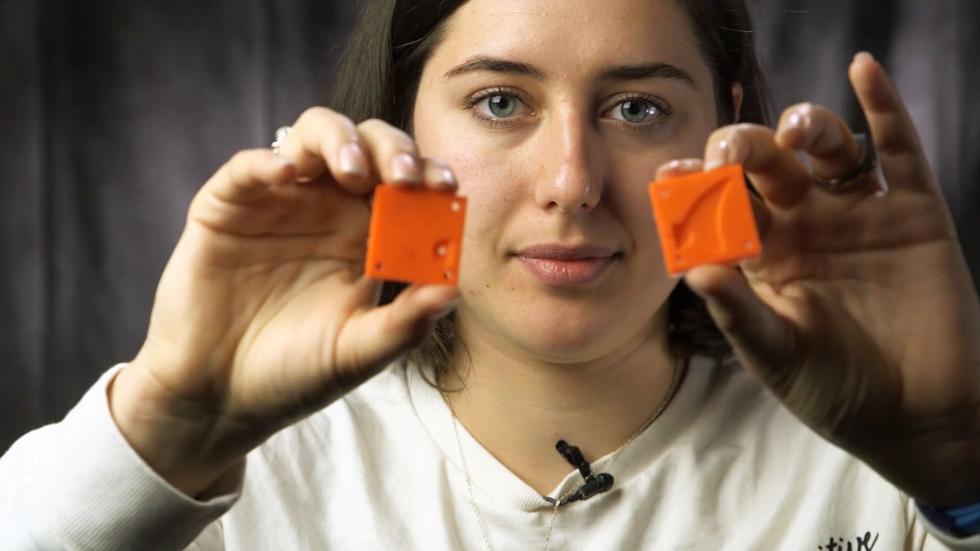
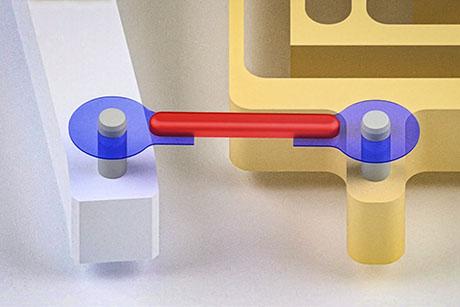
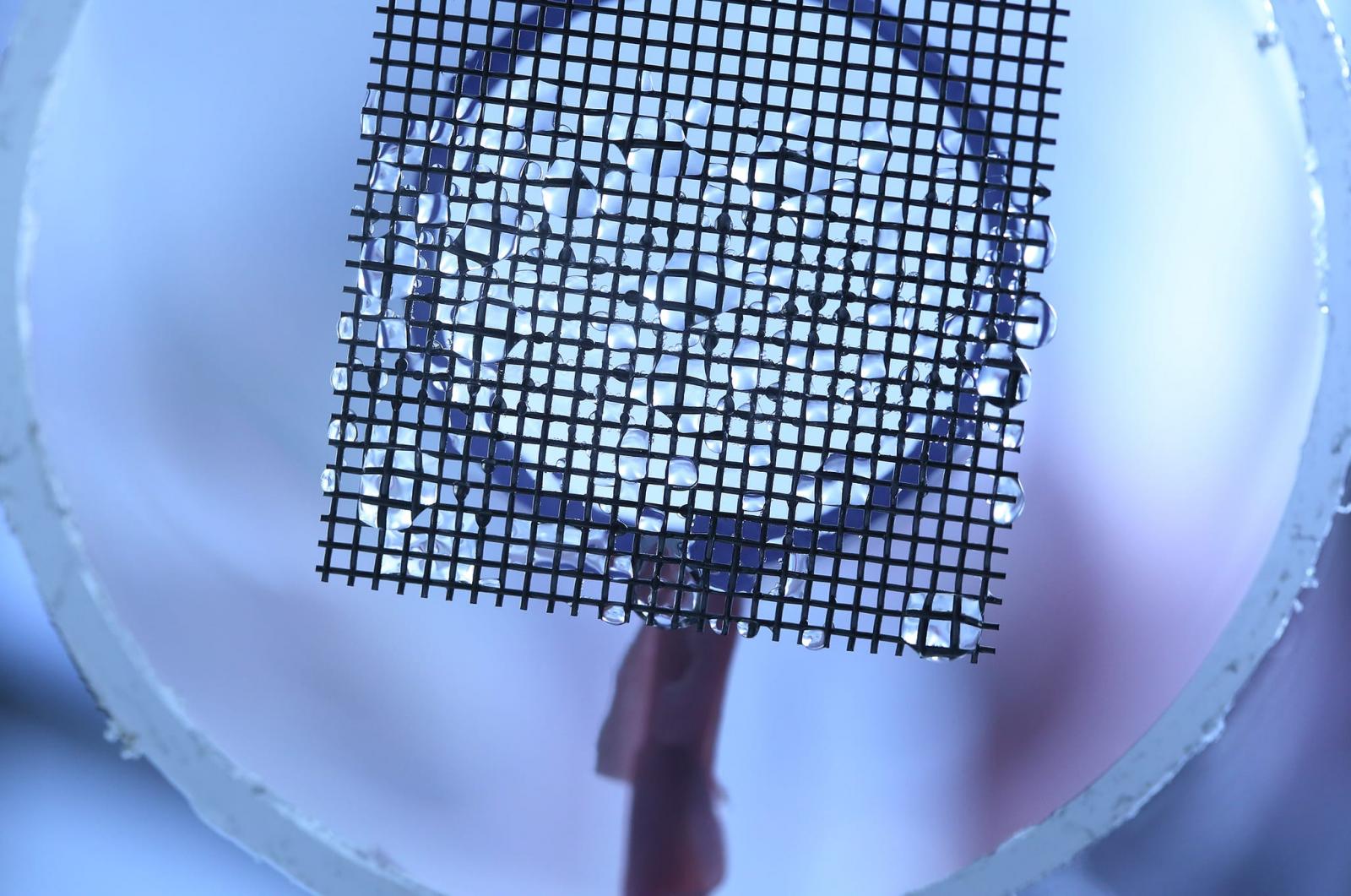
In the category of Graduate Science, Christopher Love won first place for his Scalable Manufacturing of Hierarchical Nanostructures. In second place, Maria Telleria and Ahmed Helal (joint entry) won for their Design Rules for Optimization of ER Fluid Valves, and in third place, Joe Petrzelka won for his Continuously Micropatterned Stamps for Roll-Based Lithography. Jean Chang won fourth place for her Conducting Polymer with Rapidly Switchable Wettability entry.
This year, since there was only one entry for the category of Undergraduate Science, all the undergraduate entries were combined into one category. The winner was Andrew Yang in first place for his UV Flashes Create Two-Dimensional Cellular Patterns entry. Matt Estrada won second place for his Composite Force Sensing Foot, and Martin Lozano won third place for his Design of Autonomous Robot to Navigate Mazes. Ian McKay and Erich Brandeau (joint entry) won fourth place for their Diffusion-Based Aluminum Reaction Engine.
Congratulations to all!